After decades of reliance on imported fossil fuels, the UK has recently published ‘The Net Zero Strategy’ that sets out the government’s vision to decarbonise the UK economy and reach net zero by 2050.
Buildings account for approximately 40% of global energy consumption, highlighting the pressing need to prioritise sustainable buildings and construction practices.
With low operational needs, eco homes meet the government’s ‘net zero target’ requirements. This will mean a reduction in energy that is approximately 70% lower than typical pre-existing buildings.
Whether you’re working on a new build or trying to make your current home more eco friendly, here are some great eco home features to inspire your project.
High performance windows and doors
Energy-efficient windows and doors are not just about cutting costs, they’re about embracing a responsible lifestyle. Designed to reduce heat loss, they contribute to lower energy consumption and reduced carbon emissions.
Constructed with double or triple glazed panels and sustainable materials such as timber and aluminium clad, they ensure enhanced insulation and a significant reduction in heat loss.
These eco-friendly features comply with green building standards whilst being durable with long lasting construction, making them a smart choice and a worthwhile investment.
External blinds
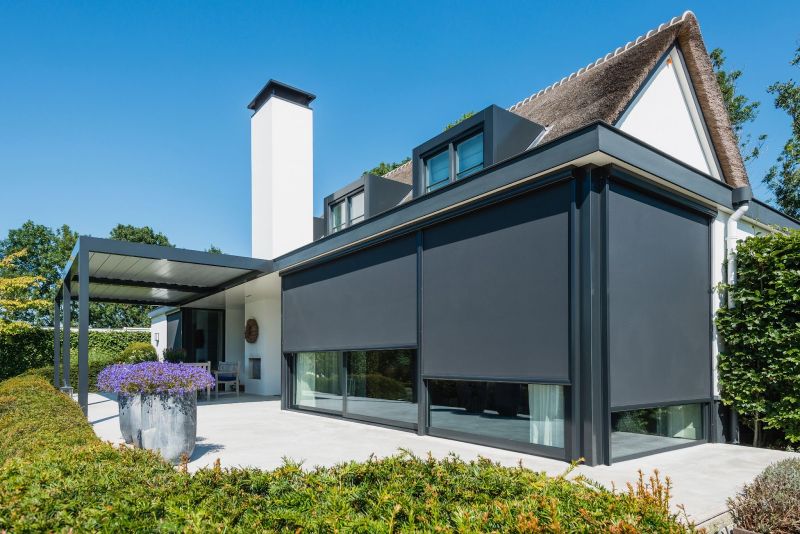
Installing external blinds is fast proving to be one of the most effective passive house heat regulation solutions.
Ultra-high insulated eco homes reduce energy consumption by preventing heat loss, but it’s also important to consider that once heat enters through windows and glazing, it’s very difficult to remove.
External blinds reflect solar glare to ensure that indoor temperatures can be controlled and kept comfortable without the need for energy-heavy mechanical cooling systems like air conditioning.
Leading UK exterior blinds provider, Kensington Blinds, has reported that their installations have reduced temperatures in homes by up to 7C.
Weather-proof, durable and long-lasting, they are predicted to be popular for cooling properties sustainably, saving customers money on energy as a result.
Made from high performance fabrics that reflect heat whilst still permitting light to enter buildings, they are easily controlled via remote so homeowners can adjust them as needed, ensuring both comfort and convenience at the touch of a button.
External blinds can also elevate the aesthetic of a home with a sleek finish. They come in various designs and colourways making them a preferred choice for architects who want to convey luxury and style.
Insulation
Insulation is a critical component of an EcoHome as it directly impacts a home’s energy efficiency, comfort and overall environmental impact.
Proper insulation can reduce heating and cooling energy needs by up to 50%, translating to substantial reductions in greenhouse gas emissions.
There are several ways you can make your home more energy efficient through better insulating: loft and wall insulation, thermal underlay beneath floors and carpets, draught-proofing (double or triple glazing), insulating pipes, water tanks and radiators.
You could even adopt natural, organic insulation materials, for example; spray foam, cellulose, mineral wool, recycled cotton. These materials are typically more breathable and manage humidity and moisture effectively, helping to maintain better air quality for a healthier, more comfortable living space.
Energy efficient decor and aesthetics
Just because you’re opting for eco-friendly alternatives doesn’t mean you should lose out on building an eye-catching home.
Consider accessorising your energy-efficient build with an organic garden. Potting a range of native plants, flowers or herbs and vegetables is a rewarding additional project to partner with your construction efforts.
Strategically planting certain trees outside your home can even provide further shading from solar glare, helping to cool the home sustainably.
After perfecting the architectural framework of your EcoHome, sustainably sourced furniture is something to keep in mind when designing the interior.
Opt for products that are crafted from reclaimed or recycled materials, FSC (Forest Stewardship Council) certified wood, ethically sourced fabrics or simply locally sourced and crafted in the UK.
If you’re looking to embrace eco-house features, it’s always helpful to take the advice of an architect that specialises in passivhaus design, who can advise on ways to make your build more sustainable.