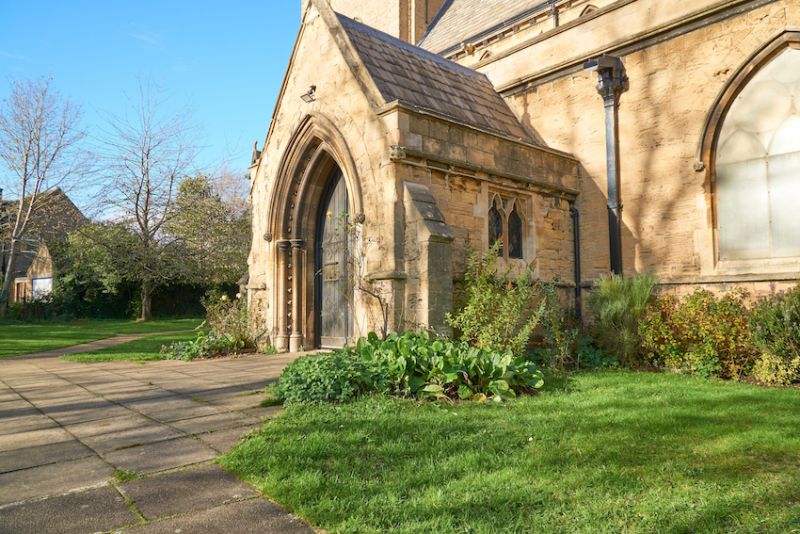
Churches can be difficult and expensive to heat due to their large, open spaces and minimal insulation. To help fight against climate change, in February 2020, the General Synod voted for the whole of the Church of England to achieve net zero carbon by 2030[2].
This led to the Routemap, a plan to reach net zero, which was approved by the General Synod in July 2022. The primary aim of the Routemap is to reduce carbon emissions while also helping churches to save money through reducing energy costs and increasing energy efficiency[2].
Ben Gallizzi, energy expert at Uswitch, the comparison and switching service, has shared guidance to help churches reduce their energy bills:
“Taking steps to upgrade energy efficiency not only provides increased comfort for visitors but also helps towards achieving the Church of England’s target to reach net zero carbon by 2030. By adopting practical energy efficiency measures, churches can significantly reduce their environmental impact and reduce energy costs.”
Ben shares some things churches can do to help reduce their energy bills:
- Implement zoned heating
“Heating only the areas of your church which are in use can help reduce the cost of your heating bills. Installing a HVAC system, which is set up to support zoned heating, can help with this.
The Holy Trinity Church in Stroud, Gloucestershire, replaced its gas-fired boiler with targeted heating, placing convection heaters under the pews. The church is divided into segments so that just one area can be heated for a small meeting, rather than the whole church[3].”
- Use a Building Energy Management System (BEMS)
“Using a Building Energy Management System, which can be controlled remotely through an app, can help reduce your energy bills. BEMS is a technology solution that collects, monitors, and analyses a building’s energy use in real time. Using BEMS technology can improve energy efficiency by 10-30%. Costs for BEMs vary for each church depending on the size of the church, the system required, and the features chosen. For instance, All Saints Church, located in Sidmouth, replaced its failing boiler control system with one that enabled it to minimise the amount of energy they were using[4].”
- Switch from Halogen to LED lighting
“Switching from halogen to LED lighting can help reduce your energy costs. Ensure that lights are switched off when they are not in use. Install motion sensors in less frequently used areas to ensure you’re not paying more money unnecessarily.
St. Stephen’s Church, in Tonbridge, switched from 100-watt halogen lightbulbs to a 16-watt LED alternative throughout the building, making a saving of £625 per month[5].”
- Install solar panels
“Funding through the Church of England’s Net Zero Carbon Programme and local authority grants can help to facilitate the installation of solar panels. As a result of generating some of your own power, you will be less reliant on the National Grid’s electricity supply, helping to reduce costs. You will also have the potential to earn by selling any excess back to the grid.
Following the fitting of solar panels at St George’s Church, Rugby, they were able to minimise their fuel bills, generate power for the wider community and make a saving of 168 tCO2 over a 25-year proposed lifespan of the installation[6].”
- Fit secondary glazing onto stained-glass windows
“A number of historic churches have single-glazed stained glass windows, which offer limited energy efficiency. Installing secondary glazing will allow the original windows to be retained unaltered, while reducing air leakage and conductive heat loss. Research has shown that using secondary glazing with a low emissivity (Low-E) hard coating on the outside can reduce heat loss by conduction and radiation by 60%.[7]
Jesus Church, in Troutbeck, installed secondary glazing on its 13 lancet-shaped stained glass windows in the north and south walls, resulting in less heat escaping and draughts being eliminated[8].”
- Install an air source heat pump
“An air source heat pump can be a great way to reduce your energy bills as they are more efficient than gas and oil boilers, and are low-maintenance. St. Anne Church, in Ings, used an air source heat pump, connected to underfloor heating, to provide an efficient way of heating their building at a low electricity cost[9].”
- Insulate the roof space
“Insulating your roof space can help to reduce the amount of heating you will need to use. To support extensive work like roof insulation, think about smaller changes you can also make to reduce your need for heating, such as large curtains, cushions on pews and draught excluders on doors.
St. Andrew-by-the-Wardrobe fitted new roof insulation, amongst other refurbishments, when they were on the journey to becoming carbon-neutral, a status they now hold[10].”
- Check your eligibility to pay reduced VAT
“Double-check your energy bills to make sure you’ve been charged the reduced rate of VAT.
If your church earns above £100,000 and is not on the excepted charities list, you will need to apply for charitable status. If you’re already registered and an administrative error has caused you to pay 20% VAT, rather than the reduced rate of 5%, then this should be rectified.”
- Explore switching to green tariffs
“Consider whether you could be getting a better deal on a green energy tariff. Whilst the differences in prices are getting smaller between green tariffs and other tariffs, sometimes they can be more expensive, so it is advisable to thoroughly explore your options. Several green tariffs are fixed-rate tariffs which can shield you from short-term price fluctuations, as long as the energy price cap remains the same.”
For more information or quotes on the best energy tariffs, visit Uswitch.
More news can be found here: https://essmag.co.uk/category/news/