With inflation hitting record levels at 9.4% and a third of people worried about paying their energy bills this winter, new research reveals that online searches for ‘how to reduce your energy bills’ have risen by 467% in the past six months.
The analysis of online data conducted by EDF reveals that searches for ‘how to reduce your energy bills’ have increased by 467% – as over a third (34%) of Brits say they turn to search engines and social media (22%) for advice6.
Some of the most popular searches over the past six months include:
-
‘reflective panels behind radiators’ – up by 3,233%
-
‘the best time to use a washing machine’ – up by 1,750%
-
‘turning the fridge off overnight’ – up by 360%
-
‘black radiator paint’ – up by 83%
Additional searches include ‘putting a sponge in the letterbox’, ‘the best time to use hot water’, ‘putting clingfilm on windows’ and ‘keeping the curtains closed to conserve heat’.
However, over two fifths (42%) feel there is a lot of conflicting advice when it comes to energy usage, leading many to follow some of the online myths that do not work. For example, over a quarter (26%) of homeowners and renters think that turning off their boiler at night will reduce energy bills, along with turning off their fridge/freezer at night (21%) and painting their radiator black (12%).
These are energy saving myths. Turning boilers off is not advisable or an effective way to save energy. Instead, thermostats and timers should be used effectively to regulate their operation7.
Fridges and freezers are designed to be kept on all the time and energy will not be saved by turning them off for short periods because more energy will be used to cool them down again when turned back on. There are also important safety issues that can arise if food partially defrosts before it’s prepared for eating8.
For radiators, it’s the type of paint rather than the colour that is key. Specially formulated radiator paint must be used to get any heat saving benefit9.
Experts also advise10 that shorter showers, limiting tumble dryer use, switching off appliances left on standby, draught-proofing gaps and not overfilling the kettle are amongst the most effective measures people can take to save energy over the course of a year.
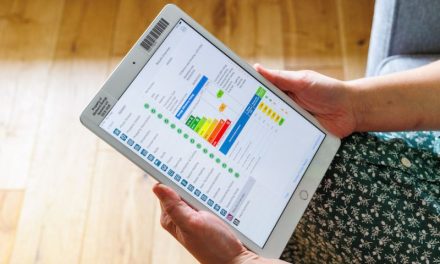
However, on average, British households leave 26 appliances on standby rather than switching them off, and 14% don’t think that taking shorter showers will improve energy efficiency6. Yet, EDF has found that smart meter customers who access its Energy Hub insights (based on their meter data) can actively reduce their bills. It is calling on more customers to install smart meters and benefit from these insights in their homes11.
|
Energy Saving Measure |
Potential Annual Saving12 |
|
Taking a four minute shower |
£70 |
|
Avoiding the use of a tumble dryer |
£60 |
|
Switching off appliances that are normally left on standby |
£55 |
|
Draught-proofing gaps |
£45 |
|
Not overfilling a kettle |
£36 |
|
Insulating a hot water cylinder |
£35 |
|
Turning off the lights |
£20 |
|
Swapping one bath a week for a shower |
£12 |
Philippe Commaret, Managing Director for Customers at EDF commented: “Despite these online searches being amongst some of the most popular, when it comes to consumer advice on reducing their energy bills, not all make a positive difference and some can actually be dangerous. At EDF, we’re committed to supporting our customers through the cost of living crisis and we’re here to help them identify which measures they can put in place in their own homes, so that they can see a difference to their bills.”
Over half (55%) of homeowners and renters say that rising energy bills have made them think more about ways to make their home more energy efficient. A practical step like improving insulation could save the average semi-detached homeowner up to £930 a year if they upgraded their wall and roof insulation13.
The EDF research revealed that almost two thirds (62%) of those who have installed home energy efficiency measures say they have seen a reduction to their energy bills as a direct result. However, just 15% of people have installed a smart thermostat to make their homes more energy efficient. EDF has found that customers using insights from its Energy Hub app online, which gives customers kwh comparisons with their annual energy use alongside tips on how to reduce energy use throughout the home, can actively reduce their bills so it is encouraging customers to sign up.
Commaret, continues: “Installing a smart meter in the home can be a great way to be more mindful of energy usage. Actions like leaving appliances on standby can have more of an impact than we might think. Our free Energy Hub shows customer’s where they’re using most energy, putting them in control. Customers can not only cut their use, but their costs, which shows it’s really worthwhile!”
Getting a smart meter installed is simple, with no upfront extra cost for the meter or for the in-home display it comes with. Readings will be taken automatically and customers can choose for these to be sent every 30 minutes, every day or every month. EDF will then use smart meter data to give customers a personalised view of their energy use in the Energy Hub, with tips on how to save money.