Dozens of councils have opposed clean energy projects, such as new wind and solar farms, battery storage facilities and EV charging schemes, despite having declared a climate emergency.
In total more than 350 councils across the country have passed motions sounding the alarm over climate threats, with the majority also setting ambitious carbon neutral targets for their area.
However, new analysis from pro-growth campaign group Britain Remade has revealed that 70 councils, a fifth of the total, have stood in the way of planning applications for renewable and clean energy schemes.
Taken together, the projects could produce over 4.4 gigawatts of clean energy – enough to power 4.4 million homes with low cost electricity.
They would also provide enough battery storage capacity to store nearly 680 megawatts of energy generated by renewables. Enough stored energy to provide power to 680,000 homes for a year.
The schemes objected to range from multi-billion pound projects of national significance, such as the Bradwell B nuclear power plant in Essex, to the hyper-local.
Despite declaring a climate emergency in July 2019 Colchester Council voted unanimously in August 2020 to reject the proposal for Bradwell B, saying it would destroy an ecologically rich landscape.
Bradwell B would generate enough clean energy to power 2.2 million homes, it would also create 9,000 jobs during construction as well as 900 permanent operational jobs.
Northamptonshire Council rejected plans from a couple to build a driveway and install an electric car charging port at their home. Following the rejection the couple appealed, but this too was thrown out in August 2021 with the decision stating the proposed development would ‘change the character of the area’.
The council’s website states: “One of the key barriers to the adoption of electric vehicles… [is residents] unable to charge at home because they live in housing with no, or limited access to off-street parking.”
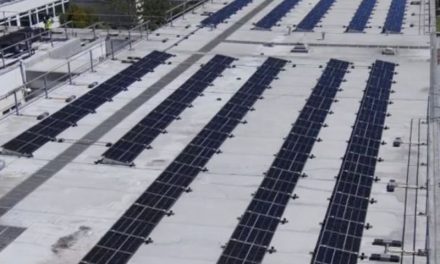
And in June 2020 planning officers at Medway Council recommended the council’s own plan to install solar panels on the roof of the main council building be refused on the grounds the panels would be harmful to the Grade II listed building – a concrete and brick office block built in the late 1970s. The local authority declared a climate emergency in April 2019..
Commenting Sam Richards, founder and campaign director at Britain Remade, said: “It is absurd that up and down the country local councils, despite declaring a climate emergency, have stood in the way of plans that could provide cheap clean energy to millions of homes.
“Some of the examples we have uncovered are breath-taking – a hotel that wants to cut its carbon footprint, but the council won’t let them install solar panels; a battery storage facility across the road from the King’s Lynn Power Station refused planning permission and a man in Wimbledon who was ordered to remove solar panels from the roof of his home despite his neighbour having had similar panels for 10 years.
“Across the country there is huge support for clean energy projects both large and small. But when these plans become part of the planning system, councils tend to hear from the most motivated voices – which unfortunately, tends to be the minority of people who are against a particular project.
“If we are to hit our 2050 net zero target and provide secure sources of clean energy that will help cut the energy bills of millions of people, local councils must match words with deeds.”