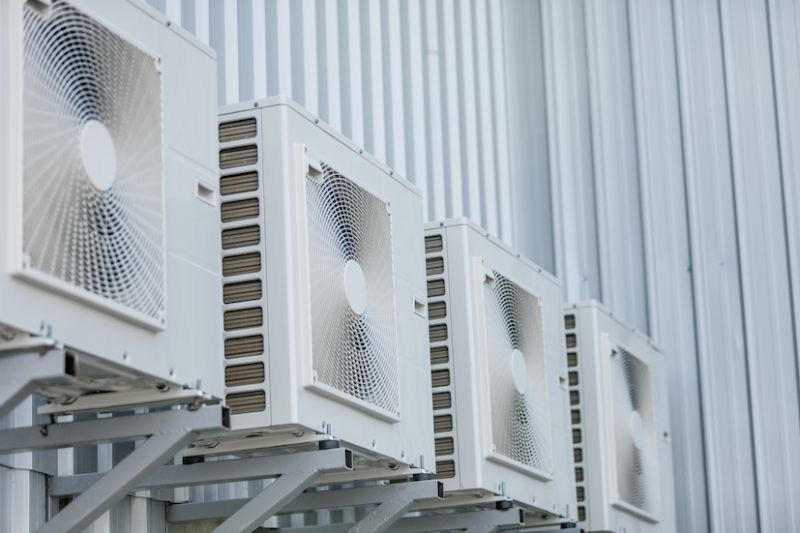
According to a recent report by the BBC, the UK’s air conditioning supply could run dry within weeks, says Essentra Components.
Lilian Knauf, Access Hardware Specialist at Essentra Components, gives us some insight on why the surge in HVAC demand is exposing poorly-designed or hard-to-maintain units across Europe, how cable congestion and airflow problems inside modern units shortens lifespan, and the difficulty of meeting tightening energy efficiency regulations while temperatures soar and demand accelerates.
“Europe’s heatwave made headlines, and it’s not surprising that consumer and commercial demand for air conditioning is accelerating. As temperatures continue to break records and governments push building electrification, the pressure on HVAC manufacturers to produce more units, faster, is only going to increase.
“A new air conditioning unit isn’t cheap, and most households aren’t purchasing replacements on a whim. The systems already in place need to work well, and keep working. When there’s poor component design, or access hardware that makes maintenance difficult, technicians can’t easily reach filters or sensors, tasks get delayed or skipped, and systems consume more energy, wear faster, and fail sooner.
“Modern HVAC units are also becoming significantly more complex on the inside. The shift towards digital controls and networked IoT sensors means there are more low-voltage and data cables running through each unit than previous generations required. That creates new challenges around cable congestion, interference and restricted airflow – which places more demand on cable management design than manufacturers may have faced before.
“Poorly routed cables can obstruct airflow and cause heat build-up inside a unit, which forces fans and compressors to work harder. That draws more power, generates more heat, and puts more strain on the components. Good component design extends the life of a system and keeps it running efficiently.”
“HVAC units are specified for their environment – a rooftop industrial installation and a lightweight commercial unit inside a new building face different types of physical conditions. Temperature thresholds, vibration, corrosion resistance, access requirements all vary significantly. A unit that isn’t specified for its environment will underperform, wear faster, and cost more to maintain.
“Energy efficiency regulations across Europe have been raising the bar on what units need to achieve – manufacturers are already working to meet stricter environmental compliance standards, and that doesn’t get easier when demand is accelerating. HVAC manufacturers face real logistical pressure when volumes increase. Consolidating supply where possible becomes more valuable when the market and consumer demand is moving fast.”
Essentra Components: https://www.essentracomponents.com/en-gb
For more news: https://essmag.co.uk/category/news/