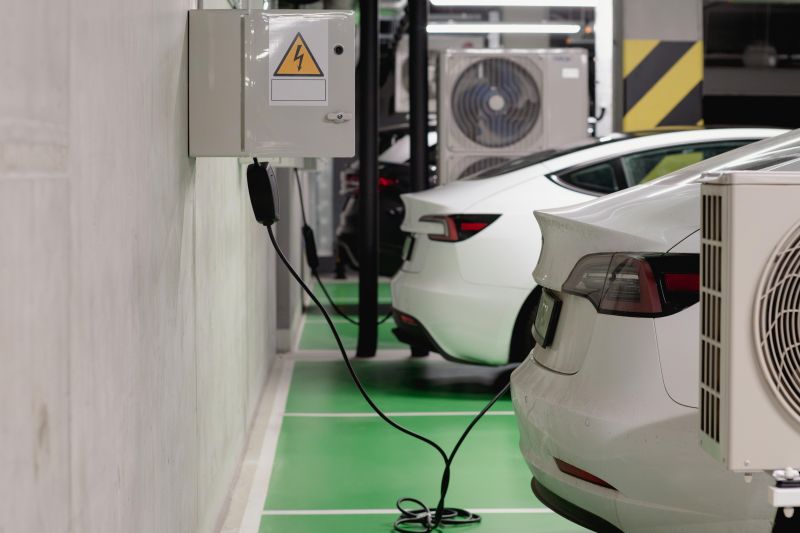
To accelerate the adoption of electric vehicles across the country, the UK government has announced a £650 million Electric Car Grant (ECG), relevant in a time when a key concern for consumers is cost. The scheme offers up to £3,750 off new electric cars priced under £37,000.
Robert Forrester, Chief Executive of Vertu Motors plc, said: “The government’s latest move to boost electric vehicle uptake is both necessary and welcome.
“With the average new electric vehicle now costing close to £49,000, the market has drifted away from the everyday motorist.
“This grant helps correct that, opening access to a wider range of customers by making sub-£40,000 EVs more appealing and financially viable.”
With this new incentive, many drivers will be entering the EV market for the first time. So, to help them navigate the process, the experts at Vertu have shared five key things to consider when buying an electric vehicle:
1. Look Beyond the Official Range
Every electric car comes with an official ‘WLTP’ range figure, but it’s important to treat this as a guide, not a guarantee. Real-world range can be affected by factors like your driving style, the weather, and the type of journeys you make.
Before settling on a model, research real-world range tests from trusted automotive publications. Consider your daily commute and typical long-distance trips to ensure the car’s actual range fits your lifestyle, especially during winter when battery performance can drop.
2. Charging Speed is as Important as Battery Size
A huge battery is great, but how quickly it can be recharged is just as crucial, particularly if you plan on doing long journeys. Check the car’s maximum DC charging speed, which is measured in kilowatts (kW).
A higher figure (e.g., 100kW or more) means you can get a significant top-up in the time it takes to have a coffee break at a motorway service station. For home charging, look at the AC charging speed, which will determine how quickly you can charge overnight.
3. Check the Battery Warranty
The battery is the single most expensive component in an electric car, so understanding its warranty is essential for peace of mind. Most manufacturers offer a warranty of around eight years or 100,000 miles.
Crucially, check what level of degradation the warranty covers. Most guarantee the battery will retain a certain percentage (usually 70%) of its original capacity within the warranty period. This protects you from premature battery failure and ensures the long-term health of your investment.
4. Test the Technology and Practicality
During a test drive, spend time with the infotainment system to see if it’s intuitive or distracting.
Don’t forget the basics. Check the boot space, as batteries can sometimes compromise luggage capacity. Sit in the back to assess passenger room and make sure the car is practical enough for your family or lifestyle needs.
5. Match the Car to the Grant and Your Needs
The new grant is a fantastic incentive, but it only applies to cars priced under £37,000. Start by creating a shortlist of vehicles that fall under this threshold to ensure you can take full advantage of the savings.
From there, weigh up the range, charging speed, and practical features against your personal requirements. Choosing the right EV is about finding the perfect balance between what you need, what you want, and what you can afford with the help of the new government support.
For more expert advice on choosing the right electric car for you, visit the Vertu website.
For more news on Electric vehicles, please visit: https://essmag.co.uk/category/energy-efficient-transport/