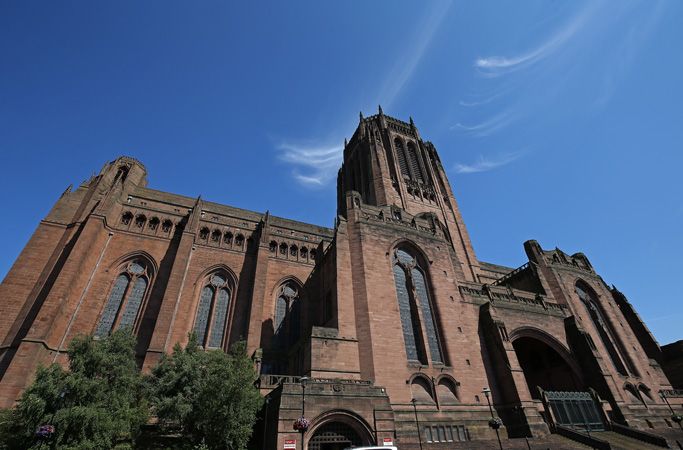
In 2025, Liverpool Cathedral secured both funding and approval from the national church to install a new air source heat pump – an investment that will play a key role in reducing its environmental impact while helping to safeguard the building for future generations.
The first phase of the installation began on 13th October 2025. Now complete, the system is expected to reduce carbon emissions by approximately 7.84 tonnes of CO₂ each year, providing a more sustainable way to heat the Cathedral.
This initiative forms part of a wider Liverpool diocesan commitment to respond meaningfully to the climate crisis. Rooted in faith, this work reflects a belief that environmental stewardship is not optional, but central to Christian life – a practical expression of responsibility for the world entrusted to us.
Projects like this, alongside others taking place across the Diocese, demonstrate a clear and active commitment to achieving net zero carbon. It is a commitment defined not only by intention, but by tangible, sustainable action.
The new Air Source Heat Pump will replace traditional, carbon-intensive heating systems with a cleaner alternative. By drawing heat from the air outside – even in colder months – the system uses renewable energy to warm the Cathedral, reducing reliance on fossil fuels and significantly cutting carbon emissions. In addition, it will improve energy efficiency, helping to lower both emissions and long-term heating costs.
The first phase of the installation began on 13th October 2025. Now complete, the system is expected to reduce carbon emissions by approximately 7.84 tonnes of CO₂ each year, providing a more sustainable way to heat the Cathedral.
This project represents a vital step towards a greener future – not only for Liverpool Cathedral, but for the entire Diocese. The changes being made today will help preserve these historic spaces for generations to come, while also setting an example for others to follow.
It is hoped that this work will inspire churches across the Diocese to take similar steps, whether by joining the Eco Church scheme, upgrading lighting and heating systems, or improving insulation.
Through collective action, meaningful progress toward net zero can be achieved.
For more news: https://essmag.co.uk/category/news/