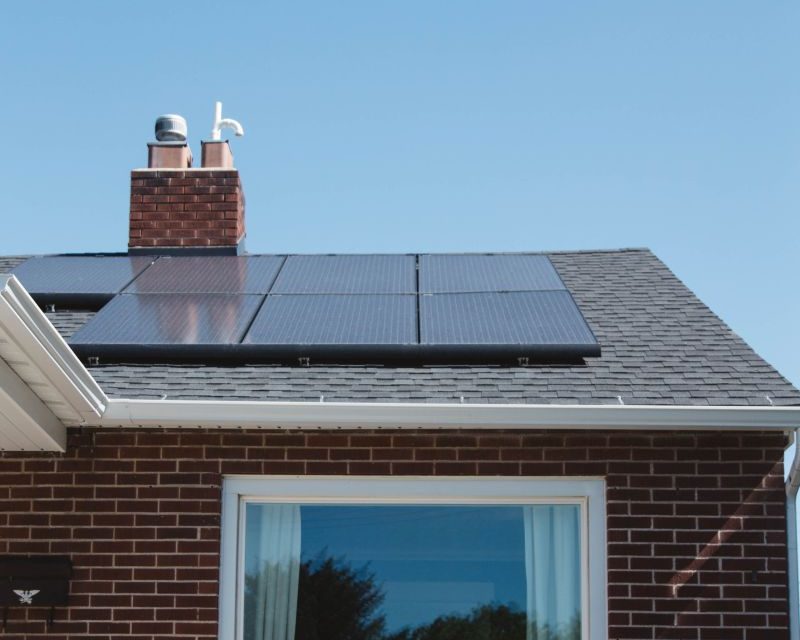
Solar panels have become an increasingly popular and cost-effective way to generate clean, renewable energy for homes in the UK. Contrary to what many people may think, the UK is actually an ideal place for solar panels. A recent survey conducted by The Eco Experts revealed that over two thirds of Brits would now buy a home with solar panels on the roof.
Countries with very hot weather can end up having problems with solar panels as they can overheat. In the UK the summer months offer the perfect temperatures for solar panels to be highly efficient, but they can still produce a decent amount of electricity the rest of the year when it’s colder and cloudier.
With the cost of installation lowering, and numerous benefits of installing solar panels on your home, 2023 really is a fantastic time to consider them.
Benefits of solar panels
Lower energy bills – although there is an upfront cost to getting solar panels fitted, you’ll notice your monthly bills decrease significantly. Solar panels can typically cut your electricity bill by 62%, resulting in annual savings between £365 and £852 for most homes.
Get paid for electricity you don’t use – with the UK Government aiming to be net zero by 2050, they are keen to get more people using sustainable methods to power their homes. So as well as lower bills, you can also be paid for any electricity generated by your solar panels that you don’t use through the Government’s Smart Export Guarantee scheme.
Increase the value of your home – although solar panels are becoming more common, they still aren’t widespread. Selling a home with them already fitted is a massive benefit and means you can ask for more if you choose to move on. If there’s a chance you might let your property out at some point, having lower bills due to solar panels will be extremely desirable for tenants and could generate a higher rental income.
Reducing your carbon footprint – solar panels generate renewable energy, which reduces your carbon footprint and helps to combat climate change. Estimates show that home solar panels could save around one tonne of CO2 per year, which means just one installation can offset approximately 25 tonnes of CO2 over its lifetime.
Helps your EPC rating – proposals by Government currently suggest that landlords will need to ensure their properties have a minimum EPC rating of C from 2028. If there’s a chance of you letting your property out in future, getting a headstart on improving your EPC wouldn’t be a bad thing. With their goal to hit net zero by 2050, there’s every chance that the Government could look to impose EPC targets for homeowners in the future too.
Cost of solar panels
With the increasing popularity of solar panels, it’s much cheaper to invest in them than it was just a few years ago. Renewable energy is already cheaper than fossil fuels in a number of industries, and researchers forecast that by 2050, almost all applications will be cheaper with renewables.
To put the numbers into perspective, the price of solar power fell by 88% between 2010 and 2021, and by 13% in 2021 alone. Meanwhile fossil fuel prices continue to surge across the globe – especially since the start of the ongoing war between Russia and Ukraine.
The cost of solar panels can range depending on the manufacturer but as you would expect, the more panels you need, the more it costs. The average cost for a three-bedroom house in the UK is between £7,000-£8,000. This is less for a one or two-bedroom house that needs fewer panels, ranging between £2,000-£5,000, whilst it goes up to around £11,000 for a four-bedroom home.
About a year ago, installers were saying the “payback” period was 15 years or more. However with the soaring price of electricity, home solar panels can now pay for themselves in as little as seven years. The way things are going, that could go down to five years. This is making them a very desirable option for more people.
As of April 2022, the Government has scrapped the VAT on energy efficient measures too, until at least 2027. So if you do decide to go down the route of getting solar panels, this would be a tax saving of over £1,000 that you wouldn’t have gotten as an early adopter.
Although unfortunately the somewhat lucrative Feed-In Tariff scheme (designed to promote the uptake of renewable electricity) has been discontinued, the Energy Company Obligation (ECO4) scheme is available to support households on certain benefits. Running until 2026, if you’re eligible you can apply for grants, which depending on your circumstances, could give you access to fully-funded home solar panels.
The Local Authority Flexible Eligibility scheme (known as LA Flex) is an extension of ECO4. This gives local authorities the freedom to widen the eligibility criteria and tailor it to their respective area. If your area offers this, it means you could still qualify if you don’t claim benefits but are living on a low income or are vulnerable to the effects of living in a cold home.
Popularity of solar panels
On average, nearly 12,000 solar panels are installed in the UK each month according to national statistics. As mentioned above, the growing popularity of solar panels means that the prices have gone down by more than 80% over the past decade.
As of 2023, the UK generates 7.8% of its total electricity using solar power, and there are currently more than 1 million solar panel installations. This is quite a small percentage overall, however the Microgeneration Certification Scheme, the body that accredits solar panel installers, say installations have doubled this year and are running at the highest level since 2015.
As the Government’s 2050 target to reach net-zero emissions eases closer, this will require the UK to triple its solar capacity by 2030 according to Solar Energy UK. This is likely to drive further investment in renewable energy sources and may well see the introduction of new schemes that homeowners can benefit from.
With case studies now available from those who were early adopters of solar panels that prove they are an excellent investment both for reducing energy costs and their impact on the environment, it is highly likely that more homeowners will follow suit. We can already see that solar panels are transforming the UK home energy landscape at a steady pace and this is expected to continue to grow further in 2023 and beyond.