A new silage additive from biogas experts FM BioEnergy – developed specifically for use on UK grass – has doubled levels of beneficial acids following a successful trial at a Worcestershire anaerobic digestion (AD) plant. After nine days, both lactic and acetic acids – essential for good silage production – had significantly increased, while pH had been rapidly lowered to optimal levels. When the silage was analysed again, seven months after the initial treatment, beneficial acid levels were equally high while pH was still within the optimal range. The use of Silasil Energy SG has therefore avoided spoilage and minimised energy losses in the clamp long term, while preserving the biogas potential of the silage.
Evesham-based Vale Green Energy worked with FM BioEnergy to conduct a trial of Silasil Energy SG on its 2023 grass silage crop, which provides feedstock for the company’s 1.5 MW Spring Hill AD plant. Unlike most biogas silage additives, which are tailored to higher dry matter crops, Silasil Energy SG has been specifically developed for the variability of UK-grown crops, meaning it is effective at a range of dry matters, temperatures and pH – making it ideal for unpredictable UK summers.
“Silasil Energy SG is very easy to apply and convenient to use and is flexible enough to work on wet or normal grass. The face of the clamp does not heat up when we expose it, meaning that the energy is staying where we want it to be – in the silage – rather than being lost to the atmosphere.” Nick Reynolds, Feedstock Manager, Vale Green Energy.
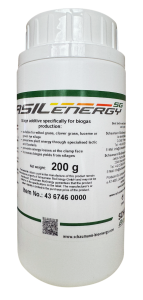
Silasil Energy SG contains four bacterial strains instead of the usual two, helping to preserve the biogas potential of grass in the clamp, regardless of whether the season has been wet or dry
The importance of good silage
Good silage production is essential to reduce energy losses in the clamp and preserve the biogas potential of AD feedstock. Lactic acid rapidly lowers the pH of silage, while acetic acid suppresses the growth of yeasts and moulds. Boosting the production of both lactic and acetic acids therefore enables silage to stabilise more quickly, reducing energy losses, improving storability and maximising biogas potential.
Commissioned in August 2013, Vale Green Energy’s Spring Hill AD facility was the UK’s first commercial gas-to-grid plant, producing 500 kW of electricity and exporting up to 7,800m3 of methane to the gas grid each day. The company has been supported by FM Bioenergy since 2015 with a range of services, including silage additives, bespoke trace elements, iron supplements, consultancy and biogas leakage detection surveys.
Nick Reynolds is responsible for producing feedstock for Vale Green Energy’s AD plants, including a mixture of maize, wholecrop cereals and grass. With 12,000 tonnes of grass silage harvested from three cuts in 2023, Nick was keen to trial FM BioEnergy’s latest product, Silasil Energy SG, exclusively developed by their German partner Schaumann BioEnergy in response to demand from UK AD operators.
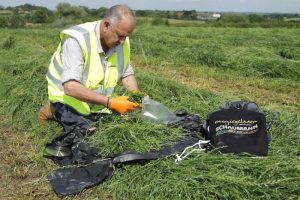
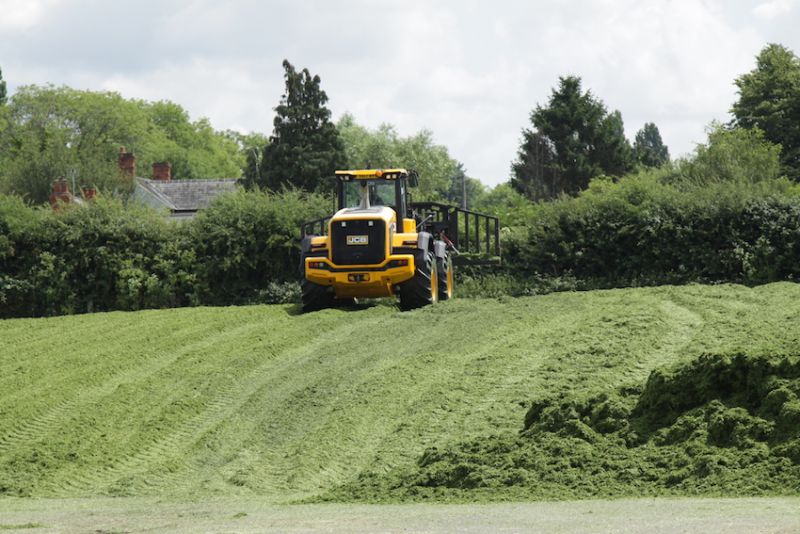
Untreated and treated samples were taken and sent to Schaumann BioEnergy’s laboratory for analysis
Weathering the challenge for UK growers
“Most silage additives are developed for higher dry matter grasses,” explains Andy Lee, FM BioEnergy’s National Biogas Silage Specialist. “Due to our variable climate, the dry matter of UK silage can vary greatly throughout the cutting season. To maximise biogas potential, it makes sense to choose a silage additive like Silasil Energy SG, that has been especially formulated for varying levels of dry matter – it is effective even at 25% DM or lower, where the risk of harmful Clostridia bacteria can be high.”
Nick applied Silasil Energy SG to all Vale Green Energy’s 2023 grass crop and has been impressed with the results. “Not only is it easy to apply, but it works on both wet and dry grass, keeping the clamp face cool and ensuring the energy stays in the silage,” he states.
Analysing the benefits
In addition, the company worked with FM BioEnergy to quantify the benefits of the silage additive in a seven-month laboratory trial. Samples of Vale Green Energy’s treated and untreated grass were taken by Andy Lee and the FM BioEnergy team at the point of harvest in July 2023. The crop’s fermentation process was halted at three, six and nine days post-harvest by freezing the samples, which were then analysed at Schaumann’s laboratories in Germany. Further samples were taken from the clamp face in January 2024, approximately seven months after harvesting.
“The analysis showed that levels of lactic acid and acetic acid in the samples that had been treated with Silasil Energy SG had doubled after just three days compared to the untreated silage,” says Andy. The treated samples had average lactic acid levels of 2.171, compared to 1.056 in the untreated samples. Average acetic acid levels were 0.454 in the treated samples, compared to 0.178 in the untreated samples.
“Nine days after opening, the lactic acid levels were more than double those of the untreated samples (2.95 compared to 1.35), while the pH was around 0.5 lower (3.94 compared to 4.41). Seven months later, acid levels were equally high and the pH remained stable at just under 4.0. These figures show that, combined with good silage practice, Silasil Energy SG helps grass silage to stabilise more quickly, preserving its energy potential and improving storability – even months after it has been harvested.”
The trial was replicated at another site in the UK, as well as more widely across Europe, and all results mirrored the success enjoyed by Vale Green, underlining the efficacy of the product.

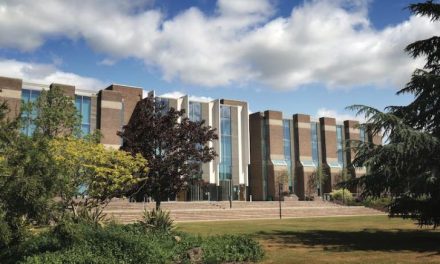
Vale Green Energy operates this 1.5 MW AD plant at Spring Hill, which produces 500 kW of electricity and exports up to 7,800m3 of methane to the gas grid each day
Effective on wet or dry grass
One of the biggest influences on crop dry matter is the growing season. The variability of UK weather often results in large differences in dry matter from one season to the next, with growers unable predict this in advance. Previously, selecting the right silage additive was a challenge, with operators often stocking up on multiple additives to cover all dry matter eventualities. The introduction of Silasil Energy SG means that this is no longer necessary, explains Andy Lee: “It works just as efficiently on wet grass as on dry grass. UK growers now only need to buy one silage additive, regardless of whether next summer ends up being a scorcher or a washout.”
The reason for this is the combination of beneficial bacteria present in the product – Silasil Energy SG is unique in that it contains four bacterial strains, instead of the usual two found in other silage additives. A combination of L. plantarum, L. buchneri, L. coryniformis and E. faecium help to preserve the biogas potential of grass in the clamp, regardless of whether the season has been wet, dry, mild or warm.
For Nick Reynolds, the trial has delivered the data to back up what he already knew from seeing the treated silage in his clamp – that by boosting lactic and acetic acids and rapidly lowering the pH, Silasil Energy SG is effectively providing long-term protection to Vale Green Energy’s grass silage. “Our silage is free from moulds and yeasts, doesn’t heat up at the clamp face or during feed-out, and the energy is preserved for biogas production,” concludes Nick.