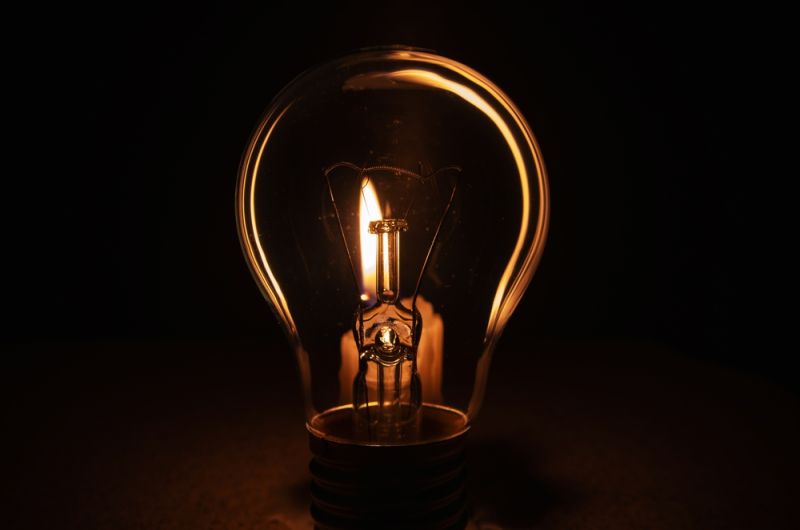
Recently, the National Grid warned of a risk of three-hour planned blackouts if electricity supply in the UK runs extremely low. Although this is unlikely, it’s certainly not impossible. For businesses, three hours without power is a huge disruption to operations that can be avoided with the correct preparation. Here, Andrew Keith, division director of load bank manufacturer Power Prove, explains how businesses can maintain their backup power supply to avoid expensive downtime.
Energy is in short supply across Europe, meaning that the UK’s National Grid has prepared various scenarios and action plans to ensure that supply remains continuous. While thisvery much echoes the power blackouts of the 1970s — which meant businesses left without power had to close their doors — the situation we’re in now is different.
Britain doesn’t rely in fossil fuel power to the same degree as it did in the 70s, with a more diverse energy supply, which includes several renewable sources. While yes, the political situation means that natural gas supply is in jeopardy, there’s the added issue thatrenewable sources don’t come without unreliability. If weather conditions aren’t favourable, energy supply is inconsistent. This could mean it’s not possible to supplyenough electricity to meet demand during cold winter months.
Securing business operations
Not everyone would be affected by these planned blackouts, however. Hospitals, oil refineries and certain other critical services would have their energy supply protected. While it’s absolutely crucial for these essential services to have electricity, there are other businesses that need power too, and cannot afford unexpected shutdowns should their supply be cut off.
Think manufacturing facilities that need to keep their shopfloor running, office blocks that need power to each business they house and supermarkets with huge energy requirements for keeping produce fresh. In each of these scenarios, electricity is essential to keeping businesses afloat.
To overcome the threat that blackouts could pose, in the near or distant future, all essential premises and facilities should have an installed and maintained uninterruptible power supply (UPS). A UPS normally takes the form of a battery and generating set, or acombination of the two.
Pre-prepared power
Typically, a UPS’ battery and generator set work together to provide continued power supply. A battery–powered UPS is used first, to provide instant supply from the second normal supply is cut. Once the immediate problem has been handled, a diesel-poweredgenerator takes over and supplies electricity until power is restored.
So, how do we ensure that the generators are operating correctly? Blackouts aren’t a regular occurrence, but facilities need to be certain of their UPS’ performance. Without regular generator testing, any faults in the system wouldn’t be discovered until it’s too late.
It’s not an option to interrupt standard power supply and connect the generator, nor is it acceptable to just turn the generator on every now and then. The generator must be regularly operated on a load of 40 per cent or more of its rated power to ensure reliableperformance. For many premises, the relatively low costs of installing a fixed load bank at the same time as installing the generator is justified by the saving and maintenance costs over the life of the generator set.
Load bank
A fixed load bank installed with any standby generator can conduct routine testing. These routine tests include onload running to bring the engine, alternator and radiator to normal working temperatures, which is better for the set and gives a greater degree of certaintyof the generator’s performance. This would give premises, businesses and facilities the certainty that their UPS is prepared should unexpected loss of power occur.
As a division of Cressall Resistors, Power Prove has longstanding experience and expertise to supply fixed and portable load banks for a range of requirements. The team is on hand to advise on the best solution for your generator-testing needs to give businesses peace of mind that their generator can perform.
While the National Grid has said that blackouts are unlikely, it’s better to be prepared than to be left in the dark. Conducting regular load bank testing of a generating set gives businesses peace of mind that they’re able to keep operations flowing and avoid costly downtime during the winter months and beyond.