Axel Jetter, managing director at solar roof innovator SunStyle, explains that, for solar to deliver its full value, it needs to be part of the design process.
Today’s clients want buildings that work with the environment and while solar power is a widely accepted part of the green building toolkit, it’s still often an afterthought. Adding photovoltaics into a finished design often leads to awkward compromises that require redesigns and structural tweaks.
Underestimating the impact of integrating solar late in the game could even affect energy potential. In some cases, simply making the roof 10 to 20 centimetres wider to begin with could allow an additional row of solar modules. It’s these small decisions, made early, that can make the difference between a functional solar setup and a truly optimised one.
Design-stage integration doesn’t just save time and money, but gives all parties involved peace of mind. It enables smarter planning around structural loading, electrical layouts and aesthetic cohesion, while avoiding costly retrofits that risk being denied by local building restrictions.
We’re all in this together
Incorporating solar early gets everyone on the same page. When architects have a clear understanding of the dimensions, requirements and options available from their solar technology provider, they can design with confidence and avoid unwelcome surprises.
Working closely with experienced solar roof providers like SunStyle expands the project’s support network. Instead of leaving it to the contractor to source new materials or unfamiliar products, SunStyle can recommend trusted installers and expert partners who’ve worked on similar projects. That kind of continuity smooths out the supply chain and keeps the build on track without having to onboard unaccustomed builders.
Inviting this early collaboration also opens the door to creative problem-solving. If a design includes unusual geometries or tight constraints, bringing the solar experts on board early means potential hurdles can be addressed proactively with input from specialists that have been there before.
Engaging with solar experts creates a more well-rounded working environment and allows everyone to consult on what they know best. Designers no longer have to become experts in solar can stay focused on creativity, craftsmanship and delivery instead.

Solar design harmony
Part of what separates building-integrated photovoltaics (BIPVs) from traditional rooftop PV systems is that there’s no need to compromise on look, layout or load. In contrast to bolted on products, the roof itself can become part of the solar installation.
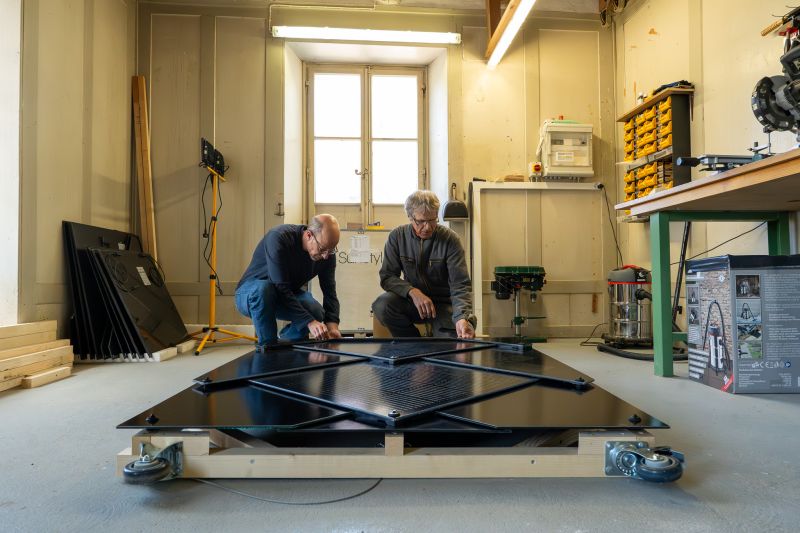
SunStyle’s solar roofs use a modular shingle format that fits seamlessly into architectural designs. Without limiting artistic freedom, the result is a roof that complements the building rather taking away from it.
When it comes to designing with solar roofs, limited roof pitch can be an unforeseen barrier. SunStyle roofs can operate effectively even at pitches as low as four per cent, which gives architects a greater range to shape rooflines without straying from their original concept.
Let solar shine
In the past, solar panels were seen as necessary but unattractive, and a pain for architects to design around. However, today’s environmentally conscious clients are embracing the aesthetic value of solar installations. With a choice of colours and anti-glare options, solar is no longer something to hide. Now, design-led BIPVs are something to be proud of.
Using the expertise of solar providers and their network of professionals early on can help navigate the unique circumstances that each project inevitably faces. It also allows the architects to be confident in the aesthetics, knowing the solar technology is smoothly integrated.
When solar is considered at the design stage, it doesn’t just improve workflow but can make the project look better. They allow architects to meet client demand for renewable energy without compromising the vision or the build quality.
From private homes to large public buildings, SunStyle solar roofs bridge the gap between sustainability and visual identity. View the project gallery here: www.sunstyle.com
For more information on renewable energy, click here: https://essmag.co.uk/category/renewable-energy/