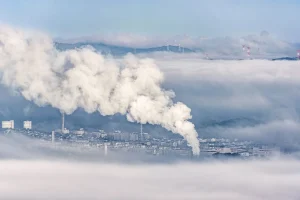
 Carbon forms the backbone of organic molecules in all living organisms, including proteins, carbohydrates, fats, and DNA. But beyond biology, carbon compounds are fundamental in industry, serving as fuels, building materials, and components in technology. However, excessive carbon emissions contribute to climate change, posing significant environmental challenges. Knowing and understanding carbon’s roles is crucial for sustainable development and mitigating the impacts of global warming.
Here are some reasons why carbon literacy is important.
What is Carbon?
Carbon compounds are molecules with carbon atoms bonded to other elements, such as hydrogen, oxygen, and nitrogen. Carbon is unique in its ability to form strong covalent bonds with various elements to create countless compounds from living and non-living matter.
In nature, carbon compounds are incredibly diverse and essential to life itself. They form the building blocks of all known living organisms, including humans, animals, plants, and microorganisms. For instance, carbohydrates, proteins, lipids, and nucleic acids are carbon compounds.
Moreover, carbon compounds play significant roles beyond biology. They are prevalent in fossil fuels like coal, oil, and natural gas, which power much of modern society. Additionally, carbon compounds are essential in manufacturing processes, pharmaceuticals, plastics, and countless other industrial applications.
The versatility of carbon compounds arises from carbon’s ability to form multiple bonds with other atoms, creating complex structures and diverse chemical properties. This flexibility allows carbon compounds to exist in various forms, from simple molecules like carbon dioxide (CO2) to complex polymers like DNA.
What are Carbon Emissions?
Carbon emission is when carbon compounds get into the air, primarily carbon dioxide (CO2), into the atmosphere through human activities like burning fossil fuels, deforestation, industrial processes, and agricultural practices. Carbon emissions contribute significantly to climate change and global warming by enhancing the greenhouse effect.
When fossil fuels like coal, oil, and natural gas are burned for energy production, carbon stored within these fuels is released into the atmosphere as CO2. Similarly, deforestation and land-use changes result in the release of carbon stored in trees and soil.
The accumulation of carbon emissions in the atmosphere traps heat, creating a warming effect similar to a greenhouse, which leads to rising global temperatures, altered weather patterns, sea-level rise, and other adverse impacts on ecosystems, biodiversity, and human societies.
Addressing carbon emissions is crucial for mitigating climate change and its associated risks. Some ways to reduce carbon emissions include transitioning to renewable energy sources, improving energy efficiency, implementing sustainable land-use practices, and adopting cleaner technologies.
Government policies, international agreements like the Paris Agreement, and individual actions can play a role in reducing carbon emissions and transitioning towards a more sustainable and low-carbon future.
The Impacts of Carbon Emissions
Carbon emissions have profound and far-reaching impacts on the environment, climate, and human health. As the primary contributor to greenhouse gas emissions, carbon dioxide (CO2) released from human activities significantly contributes to global warming and climate change. The accumulation of CO2 and other greenhouse gases in the atmosphere traps heat, leading to rising global temperatures, altered weather patterns, and extreme weather events.
The impacts of carbon emissions extend beyond climate change. Ocean acidification, caused by the absorption of CO2 by the oceans, threatens marine ecosystems and biodiversity. Changes in temperature and precipitation patterns affect agricultural productivity, water availability, and food security, worsening poverty in vulnerable communities.
Furthermore, air pollution from carbon emissions poses significant risks to human health, causing respiratory illnesses, cardiovascular diseases, and premature deaths. Vulnerable individuals, especially elders and kids, are susceptible to the adverse effects of air pollution.
Addressing the impact of carbon emissions requires concerted efforts to reduce greenhouse gas emissions, transition to renewable energy sources, improve energy efficiency and adopt sustainable land-use practices. International cooperation, policy interventions, technological innovations, and individual actions are essential in mitigating the impacts of carbon emissions and building a more sustainable and resilient future for all.
How Can Carbon Literacy Help?
Carbon literacy is crucial as it empowers individuals with the knowledge, skills, and understanding necessary to address the challenges of carbon emissions and climate change. In a world facing increasingly severe environmental threats, carbon literacy is essential for fostering informed decision-making, promoting sustainable behaviours, and driving collective action towards a low-carbon future.
First and foremost, carbon literacy enables individuals to comprehend the sources, impacts, and implications of carbon emissions on the environment, climate, and human society. By understanding the science behind climate change and the role of carbon dioxide (CO2) and other greenhouse gases in driving global warming, people can appreciate the urgency of mitigating carbon emissions and transitioning to renewable energy sources.
Furthermore, carbon literacy empowers individuals to make informed choices in their daily lives that contribute to reducing their carbon footprint. It includes adopting energy-efficient practices, reducing waste, conserving resources, and embracing sustainable modes of transportation and consumption. By integrating carbon literacy into education and public awareness campaigns, individuals can develop a deeper appreciation for the environmental consequences of their actions and the importance of sustainable living.
Moreover, carbon literacy facilitates meaningful engagement and advocacy for policies and initiatives to address climate change and promote environmental sustainability. Informed citizens can advocate for renewable energy investments, carbon pricing mechanisms, emissions reduction targets, and other measures to mitigate the impacts of climate change and transition to a low-carbon economy.
Additionally, carbon literacy fosters resilience and adaptation to the impacts of climate change by promoting awareness of risks, vulnerabilities, and opportunities for adaptation. Communities equipped with carbon literacy can develop climate resilience strategies, implement nature-based solutions, and mobilise resources to address climate-related challenges such as extreme weather events and food insecurity.
Through carbon literacy, individuals can understand, respond to, and mitigate the impacts of carbon emissions and climate change, encouraging sustainable behaviour and fostering collective action.
Conclusion
In the business world, carbon literacy is both ethical and strategic. Knowledge of carbon literacy enables employees to make educated decisions, optimise operations for sustainability, and contribute to a low-carbon economy. Online training courses offer a flexible platform for businesses to help train this understanding among their employees, establishing them as environmentally responsible and appealing to the conscientious consumer.
This strategic advantage is consistent with the broader cultural shift towards sustainable practices. Individuals can better help the transition to a low-carbon society by raising awareness and encouraging a deeper understanding of how human activities affect the environment. This empowerment can then transform people into active change, addressing pressing environmental issues such as climate change.