The opportunities for development in the North of England are too great to ignore, but the critical issue of powering these developments is often overlooked. Bhushan Kumar, business development manager at Eclipse Power, suggests ways to unlock large-scale developments in the region.
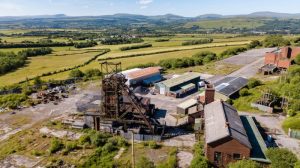
The North of England is projected to be a hotbed of development across industrial and commercial (I&C), housing, data centre, and regeneration projects. These represent a breath of fresh air in upscaling in the North, especially the redevelopment of derelict mill, mines and industrial areas following the collapse of the mining, cotton milling and manufacturing industries.
Towns and cities across the North are in line for a huge investment surge to create infrastructure to fuel the growth targets declared by the government. Northern England is home to eight Investment Zones set up with the stated aim of ‘catalysing high-potential knowledge-intensive growth clusters’. Major developments involving the regeneration of former industrial sites with large-scale mixed-use schemes, and strategic infrastructure projects designed to support economic growth and sustainability, highlight the region’s vast potential.
To put some numbers around this, between £6 billion and £7 billion is projected to be invested in commercial real estate in northern England. The North has been allocated an annual target of delivering over 75,000 homes, with an investment of around £3 billion to £4 billion per year. There are also approximately 25,000 acres of brownfield land available for development, with former coalfields becoming potential sites for new hyperscale data centre developments.
Regenerating whole communities
It’s an exciting time, and the passion for new developments is palpable. Developers and planners aren’t just thinking about constructing buildings, they’re envisioning entire community landscapes. Every detail matters: from access routes and green spaces to employment opportunities and local business integration.
Inevitably, there are questions about the viability of this level of development. Will it become a reality? While a lot of the focus has been on the financial and legislative requirements to meet development targets, I’ve noticed a key area, crucial to success, that isn’t getting the attention it deserves: power.
How are we going to service the massive increase in power demanded by all these new homes, offices, factories and data centres? Without a robust, forward-thinking energy strategy, even the most ambitious projects can be delayed to the point of becoming unviable and/or miss the opportunity to incorporate low-cost green renewable energy sources that ensures enduring energy advantages.
Power matters
The topic of power infrastructure isn’t always top of the agenda when it comes to discussions around growth. However, it should be a primary concern from the beginning if projects are to run smoothly.
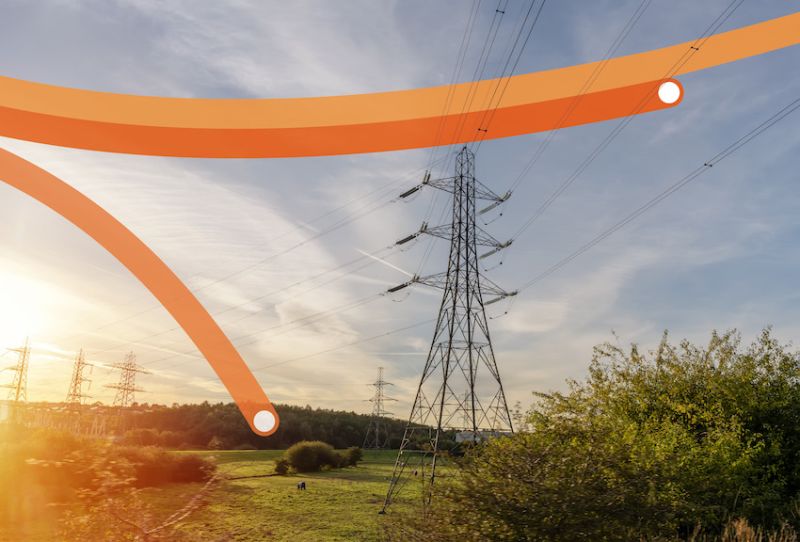
Without prioritising energy strategy at the outset, large-scale developments could risk delays, increased costs and long-term inefficiencies. Ambitious development plans may be put under threat if, some way down the line, there is a realisation that either there won’t be sufficient power, or it isn’t available for some years due to grid capacity constraints and the long queue for connections.
The need to reduce carbon has also seen a massive growth in the use of clean electricity for heating, lighting and transportation. The increase in electricity demand has shot up to such an extent that the existing infrastructure and systems are struggling to keep up. Inevitably, this has an impact on the UK’s grid, which was built over six decades ago to serve a centralised generation and distribution model that is rapidly becoming less relevant.
Joining the queue
By meeting the demand for more electricity with less controllable renewable generation, the connections queue for large-scale projects is stretching far into the future. So far, in fact, that it threatens the viability of some developments designed to reinvigorate growth in the North, as investors could walk away.
It’s not all about ensuring sufficient grid capacity and getting connected to the grid. Development projects face longer-term considerations like integrating sustainable energy solutions, and planning for future legislation and technology such as EV charging networks. Large-scale developments require careful planning to navigate land issues, legal regulations, wayleaves consents, and to integrate future-proofed energy solutions.
Energising large-scale developments involves navigating a complex series of legislative, commercial and planning challenges. Successful large-scale developments – whether they are housing, commercial, industrial or data centres – demand collaboration between multiple stakeholders. These include local authorities aligning infrastructure with development goals, developers engaging early with energy partners, and contractors ensuring compliance and quality. By bringing these groups together and prioritising comprehensive energy planning, the projects planned for the old industrial powerhouse of the North can unlock incredible potential.
Most importantly this needs to be achieved in the context of commercial viability for the developer and stakeholders investing in the North.
Making the complex simple
All in all, navigating the complexities of the energy infrastructure is a real challenge for developers and those investing in large-scale development projects. Early engagement with energy partners can unlock efficiencies, mitigate risk, and support the delivery of sustainable, long-term developments. By planning energy requirements at the outset, stakeholders can secure capacity ahead of time and prevent costly overruns. One option for ensuring a smoother path is by partnering with an Independent Distribution Network Operator (IDNO) or a specialist grid consultant early in the process.
IDNOs provide developers with a choice of how they connect and manage their power networks. More versatile and responsive than DNOs, they can offer cost-efficient, flexible grid-connection solutions that ensure the adoption and stability of the network for the long term. Their position as independent but still licensed means they can provide expert grid consultancy, identify capacity opportunities, and challenge conventional connection norms. As a result, IDNOs with the relevant expertise can unlock accelerated project timelines and optimised energy solutions, with greater commercial flexibility than the regional DNO.
Passion and power for growth
There’s no denying the passion for growth in the North of England. This dynamic environment, rich in industrial and economic history, presents fantastic opportunities for growth and regeneration. Ensuring access to the energy that’s going to be essential to maintain momentum must be on the agenda.
As these large-scale projects take shape, one thing is clear: investment in the North of England is about more than renovation, it’s about strategic reinvention. These projects aren’t simply converting old spaces, they’re creating ecosystems of opportunity. By investing in local areas, developers are attracting new businesses, generating jobs, and providing affordable housing that can transform entire regions.
Without power, some of these projects will not be viable. Securing innovative energy solutions to unlock development potential will be key to making them a reality.