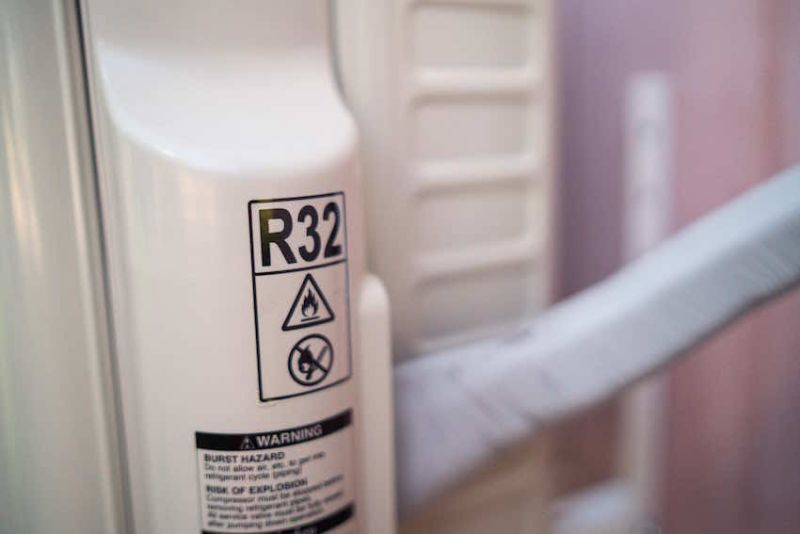
One of the side effects of climate change is that, as global temperatures climb upward, we have become increasingly reliant on heating, ventilation and air conditioning (HVAC) systems to control temperatures. Ironically, these systems, which are designed to keep buildings, people and produce cool, require super greenhouse gasses to work effectively. Alarmingly, when these gases leak, their impact on climate change is substantially worse than CO2. They also pose significant health risks to people. Shaun Evers, Stonegate MD, discusses how the latest gas detection systems improve sustainability by eradicating refrigerant gas leaks.
A major environmental threat
Climate change has become increasingly linked with carbon dioxide emissions. We are regularly informed about the need to reduce carbon footprints, become carbon neutral or achieve net zero. CO2, however, is only one of many greenhouse gasses and by no means the most damaging to the environment. The hydrofluorocarbon (HFC) gasses used in refrigeration systems are part of a group known as super greenhouse gasses (SGG) that have a global warming potential (GWP) up to several thousand times greater than CO2. They also stay in the atmosphere for longer, making it harder to negate their impact. For example, the refrigerant R-404A has an approximate GWP of 3,922 over 100 years. Just 1 kg of it can have the same warming effect on the environment as around 4 metric tonnes of CO2.
With HVAC systems becoming more commonplace globally, gas leaks from them, when aggregated, pose a major environmental threat. Moreover, as people cannot see, smell or taste HVAC gasses, leaks can remain undetected for considerable periods. In most instances, 60% of the gas will have escaped before the leak is discovered, increasing the damage done to the environment.
Health and financial risks
Besides causing global warming, escaped gases pose serious health risks. Exposure to HFCs can irritate the eyes and skin, and cause headaches, coughing, breathing problems and nausea. Moreover, in confined spaces, like cold storage units, people can lose consciousness or asphyxiate. Some HFCs are also flammable and thus are a fire risk.
Escaping gas also affects the efficiency of refrigeration units. A loss of just 20% of HFC gas can, according to The Carbon Trust, reduce energy efficiency by 11%. To achieve the same temperature control, this means these units would need to use 11% more energy, driving up operational costs. With UK HVAC systems typically losing 20% of their HFC gases annually, the financial wastage can be considerable.
Stringent regulation
Given the impact of fluorinated gases (F-gases) on public health and the environment, it is no surprise that their use is heavily regulated, with non-compliance leading to penalties of up to £200,000.
Current regulations stipulate mandatory gas leak checks for systems, with frequencies ranging from annually to every three months, depending on their F-gas to CO2 tonnage equivalence. Additionally, systems that contain F-gas equivalent to 500 tonnes of CO2 must also have a leak detection system fitted. It is also forbidden to service or refill systems with an F-gas of 40 tonnes of CO2 equivalent or more with refrigerants with a GWP greater than 2,500.
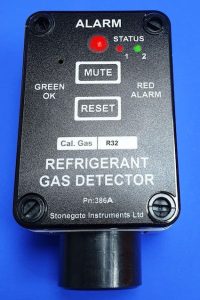
Refrigerant Gas Detector
Intelligent gas detection
To tackle the environmental damage caused by refrigerant gas leaks, the latest detection technologies are equipped with far more accurate and efficient capabilities than earlier models. Fitted with intelligent systems and advanced detection features, modern gas sensors can contend with both toxic and non-toxic gas risks. Furthermore, with signalling LEDs that display the presence and status of each sensor, they ensure rapid leak detection and repair, while alerting occupants via audio-visual alarms.
Importantly, these highly responsive sensors detect escaped gases in both extreme environments and over expansive areas. This is achieved by using semiconductor or infrared sensing elements that are configured to identify specified refrigerants and which can then be pre-calibrated to particular refrigerant/air mixtures. This enables sensitivity to be tailored for specific environments. Active filters, meanwhile, ensure that gases not of interest are disregarded, an innovation that extends the sensor’s active lifespan.
These advanced sensors also integrate with Building Management Systems (BMS) and other technologies, enabling more proactive monitoring, together with improved diagnostics and communications.
Sustainability and beyond
Today’s advanced gas detection systems provide important benefits not just for the environment but also for the occupants of buildings and organisations that operate HVAC systems. They quickly detect toxic super greenhouse gasses, preventing significant environmental damage, while alerting people to potential health hazards. This enables organisations to keep occupants safe, fix leakages quickly, eradicate energy waste and improve their sustainability efforts.
Stonegate Instruments specialises in the design, development and manufacture of next-gen gas leak detection equipment for HVAC systems, including those utilised in extreme environments. With a proven record in reducing greenhouse gas emissions, energy usage and associated expenses, their products also assist with F-gas regulation compliance.
For more information about the latest technology available, contact Stonegate Instruments on 0113 224 4440, or email sales@stonegate-instruments.co.uk.