The introduction of Market-wide Half-Hourly Settlement (MHHS) marks one of the most significant electricity reforms in decades. Migration will begin in 2026 and continue into 2027, fundamentally changing how energy is measured and billed, writes Ben Whitelam, Director of Commercial and Data & Metering Services, at npower Business Solutions.

This is happening during a highly volatile time for the energy sector – even before the latest crisis, our Business Energy Tracker found that energy remains the top risk for businesses.
Against this backdrop, MHHS provides an opportunity for organisations. While all energy meters will be migrated as part of the transition, it is those businesses that actively engage with MHHS who will be well placed to see the benefits that greater energy data insight brings.
Understanding MHHS
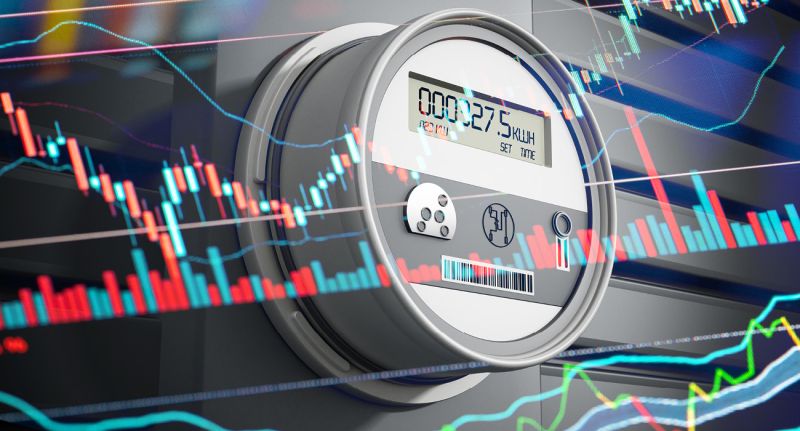
At its core, MHHS changes how electricity consumption is measured and settled. Instead of relying on estimates or infrequent readings, your energy meter will capture data every 30 minutes. That means 48 data points per day for every meter, offering a far more granular and dynamic view of energy use.
This level of detail matters. As the UK transitions to a lower-carbon energy mix, the system must manage more intermittent renewable generation. Solar and wind output varies, so the grid needs better insight into demand patterns to balance supply efficiently. MHHS provides that visibility, enabling a more flexible electricity market.
A new era for energy data
MHHS will give organisations access to significantly richer energy data. They will gain a detailed view of when and how energy is used throughout the day, rather than relying on broad estimates.
For example, before MHHS, if your electricity use fell largely outside peak hours, you may have been paying more because the estimated profiles assumed you were active at peak times and charged you accordingly. MHHS provides more detail and granularity on exact usage.
MHHS also supports participation in flexibility schemes, where end-users are rewarded for reducing or shifting their electricity usage away from peak time, to support pressures on the grid system. As the electricity grid depends more on renewable generation, organisations that can adjust their demand in response to grid signals can earn income for doing so.
Having the right tools
Having more granular data only delivers value when it is used effectively. Without the right tools and expertise, the amount of new data could quickly become overwhelming. If new, useful data is not being analysed correctly, then it is meaningless.
Visualisation platforms and analytics tools will play a critical role. These allow organisations to track trends, forecast consumption and set alerts when usage exceeds expected levels. With the right approach, organisations can move from reactive to proactive energy management.
More advanced metering
To facilitate MHHS, many organisations are upgrading to advanced Automated Meter Reading (AMR) systems. These meters provide more accurate, more frequent data, supporting better decision-making. For organisations with advanced metering already in place, the transition will be relatively smooth. For others, it presents an opportunity to both modernise and improve visibility.
The benefit of advanced metering is clear. If your organisation has multiple facilities or locations, you will be able to see your energy use measured across the portfolio on the same half-hourly basis. This allows for a like-for-like comparison, enabling you to plan for demand and identify waste.
Evidence for carbon reporting
MHHS has the potential to deliver tangible benefits for carbon reporting. Granular, half-hourly data makes it easier for organisations to record energy-related carbon emissions.
There has been an increased focus on ‘greenwashing’ in recent years, with organisations facing scrutiny over allegedly inaccurate sustainability claims. As of April last year, the Competition and Markets Authority (CMA) has had new powers to crack down on such practices. If your organisation has carbon reporting requirements or sustainability goals, this new data may provide useful evidence to support your claims.
Early engagement matters
As the market evolves, energy managers face a choice. They can view MHHS as a compliance exercise or use it to transform how they manage energy. Those who take the latter approach will be best placed to realise the full benefits.
With wider economic and geopolitical pressures looking set to continue, the energy meter – and energy data – could be the biggest assets for businesses now and in the future.
If you have any questions about MHHS and how it could impact your business, our MHHS hub can provide the answers.
https://npowerbusinesssolutions.com/
Click here for more Metering stories: https://essmag.co.uk/category/monitoring-metering/