
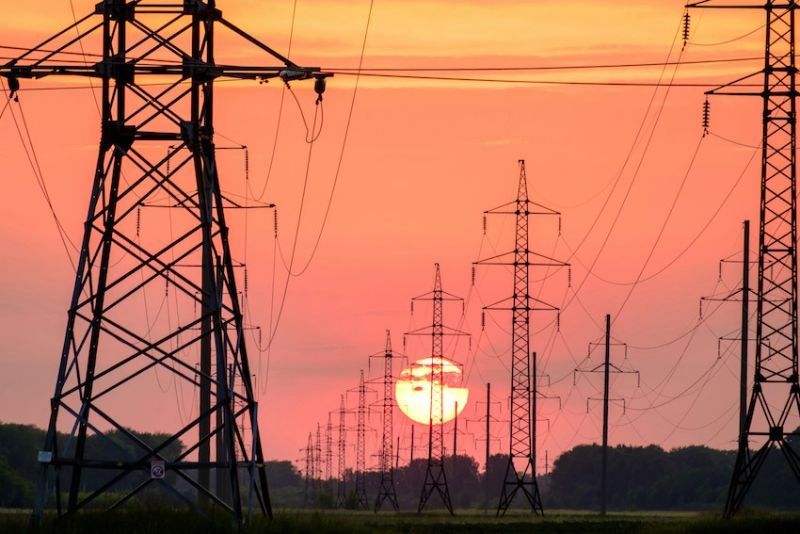
On April 28, Spain and Portugal faced a massive blackout that plunged 55 million people into darkness for nearly an entire day, writes by Elyette Roux, Executive Vice President for Power Grid & Accessories at Nexans. For several hours, entire regions were paralysed, leaving public transport routes closed, factories shut down, hospitals on the brink of failure. In just a few hours without electricity, billions of euros were lost, the economy came to a halt and public confidence was shaken.
This event was not an isolated incident. It was a symptom of the systemic vulnerability of our electrical grid and a crucial a wake-up call for Europe.
This is because our European power grid, the backbone of the energy transition, is not ready, particularly when it comes to the cabling systems that carry electricity. This aging infrastructure, with nearly half of Europe’s lines now more than 40 years old, must absorb ever-increasing demand, which is expected to grow by 60% by 2030 and more than double by 2050, while also withstanding increasingly frequent climate-related disruptions. Yet every minute of outage costs between €100,000 and €300,000. Inaction is no longer an option. As economic and climatic uncertainty continue to dominate many industries, we must take control of our energy future, with pressure being taken on by essential companies that are committed to the safety of our infrastructure.
Europe needs seismic investment
€2 trillion will be needed by 2050 to modernise Europe’s energy infrastructure. In France, €100 billion will be required over 15 years to renew 23,500 km of lines and 85,000 pylons, while also strengthening climate resilience. These figures may seem impressive but are the mandatory condition for guaranteeing our energy, economic and social security. Investing now means not having to endure potentially serious consequences later. Do so means acknowledging reality and assuming responsibility. Above all, greater investment means betting on collective intelligence and empowering all French and European players in the energy sector to work together to renovate the grid. We have extraordinary expertise, so collaborate and put it to work for a cause that goes beyond today, serving the common good.
Yet resilience is not just about grand infrastructure. It is also in the details and irradiating faults, wherever possible. Figures show that 80% of failures on distribution grids occur at cable jointing or termination accessories and 60% are due to installation errors. Each fault can cost up to €50,000 and compromise an entire network. That’s why innovation is crucial, as intelligent accessories that enable real-time monitoring, anticipate failures, and guide network installers through augmented reality turn these weak points into strategic assets. Europe’s largest and most innovative electrification players are already implementing these solutions with grid operators, significantly reducing errors and ensuring full traceability.
Digitisation, predictive monitoring, storage, and flexibility are the pillars of a robust grid. But we must go further if this is to have a lasting impact and remain resilient. Energy suppliers are now encouraged to accelerate European interconnections, harmonise and streamline procedures, and plan and coordinate public and private investments. Every euro invested today in the reliability and resilience of the grid prevents millions in losses tomorrow.
The energy transition will not happen without a resilient grid and itwill not be built without collective mobilisation amongst nations, regulators, operators and industry. The time is no longer for debating cost, but for action and cooperation. The Spanish blackout was a stark reminder of the urgency for Europe to rally around our essential and shared asset: the electrical grid.
So, let’s act now. Because when the grid fails, an entire country stops, and it is the economy and society that pay the price.
Learn more: https://www.nexans.com/
For more news, click here.


