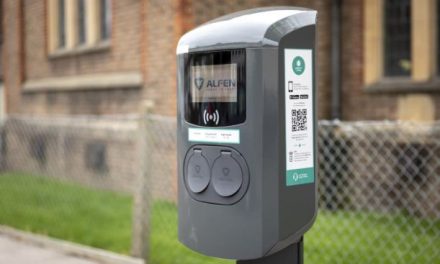
It seems almost impossible to step outside at the moment without seeing at least one electric on the road – and with their largely futuristic designs, they’re certainly hard to miss. The shift to electric vehicles (EVs) in the UK seems to be gradually gaining momentum, driven by the urgent need to address climate change, improve air quality and achieve energy independence. The government has set ambitious targets to phase out petrol and diesel cars by 2030, aiming for net-zero emissions by 2050.
Motoring experts at private plates specialists Regtransfers explore the various benefits of EVs, and why they’re important for the future of both the UK and the world over.
Reducing Carbon Emissions, Increasing Air Quality
Electric vehicles produce zero tailpipe emissions, significantly reducing greenhouse gas emissions compared to traditional petrol and diesel cars. This reduction is a key element in meeting the country’s climate targets and fending off the effects of global warming. According to the Department for Transport, road transport accounted for about a third of the UK’s total carbon emissions in 2023. Transitioning to EVs can drastically cut these emissions, contributing to a sustainable future.
EVs also aid with the improvement of urban air quality. We all know that our petrol and diesel engines emit pollutants like nitrogen oxides (NOx) and particulate matter (PM), which contribute to respiratory diseases and other health problems. The widespread adoption of EVs can lead to cleaner air, reducing the impact of ailments like asthma, lung cancer, and cardiovascular diseases. A study by the British Lung Foundation found that air pollution causes approximately 36,000 premature deaths in the UK each year, but by reducing the emission of harmful substances into the atmosphere, EVs have the potential to significantly benefit the general public’s overall health. What’s more the NHS could save billions in healthcare costs as a result of the reduction in pollution-related illnesses, allowing these funds to be redirected to other critical areas.
Lower Running Costs & An Economic Boost
One of the most attractive economic advantages of EVs is their lower long-term running costs. Electricity is cheaper to produce than petrol or diesel, and EVs have fewer moving parts, leading to reduced maintenance costs. Over the lifetime of the vehicle, these savings can be substantial – the Energy Saving Trust estimates that an EV can save its owner around £1,000 per annum in fuel and maintenance costs, compared to a conventional car.
The EV industry is primed to create numerous jobs in manufacturing, maintenance, and infrastructure development. The UK has already seen significant investments in EV production plants and battery factories, and this sector’s growth could stimulate the economy, providing new employment opportunities and fostering innovation. A report by the Green Alliance states that the UK EV market could support up to 200,000 jobs by 2030, driving economic growth and enhancing the country’s industrial base.
Reducing Oil Dependency, Promoting Renewable Energy
Electric vehicles can reduce the UK’s dependency on imported oil, enhancing energy security. As global oil markets are subject to volatility and geopolitical tensions, relying less on oil imports can shield the UK from price shocks and supply disruptions. This shift can also reduce the national trade deficit, as the country spends less on importing fossil fuels.
Of course, EVs offer the potential to be powered by renewable energy sources, further reducing their environmental impact. Integrating EVs with renewable energy can contribute to the UK’s renewable energy targets and create a more sustainable energy grid. For example, wind and solar power can charge EVs, making transportation more environmentally friendly. The smart grid technologies can optimise the use of renewable energy, ensuring efficient and reliable power distribution.
Encouraging Technological Innovation
The rise of EVs drives innovation in various sectors, including battery technology, smart grids, and renewable energy. The UK has the potential to become a leader in these cutting-edge technologies, fostering a culture of innovation and technological excellence. Companies investing in EV-related technologies can create high-skilled jobs and position the UK as a global hub for green technology.
Present Concerns
Let’s be realistic for a moment – EVs offer a promising solution to a number of global concerns, but there are still a rage of kinks that need to be ironed out before they can truly affect change.
“Range anxiety” – the fear that an EV will run out of power before reaching its destination – is a common concern among potential EV buyers. However, advancements in battery technology and the expansion of charging networks are mitigating this issue; modern EVs offer significantly improved ranges, and the growing number of charging stations ensures that drivers can recharge conveniently.
There’s also the initial costs involved in buying an EV. While they typically have higher initial costs than conventional cars, government incentives and the lower total cost of ownership make them economically viable. The savings from reduced fuel and maintenance costs can offset the higher purchase price over time. Additionally, as battery technology advances and economies of scale are achieved, the upfront costs of EVs are expected to decrease.
As with any “young” technology, there’s a fair bit of misinformation about EVs currently doing the rounds, including concerns about their range, charging times, and overall reliability. Clear and balanced information from the government and industry is essential to address these misconceptions and build the trust of the general public.
Conclusion
We’re some way off from the complete removal of petrol and diesel vehicles from our roads, but electric vehicles are already proving to be integral to securing the UK’s environmental, economic, and social future, and to reaching net zero emissions targets by 2050. There are still bumps in the road to overcome, and it may take some time before EVs are available to everyone, but every step forward is a step in the right direction.